
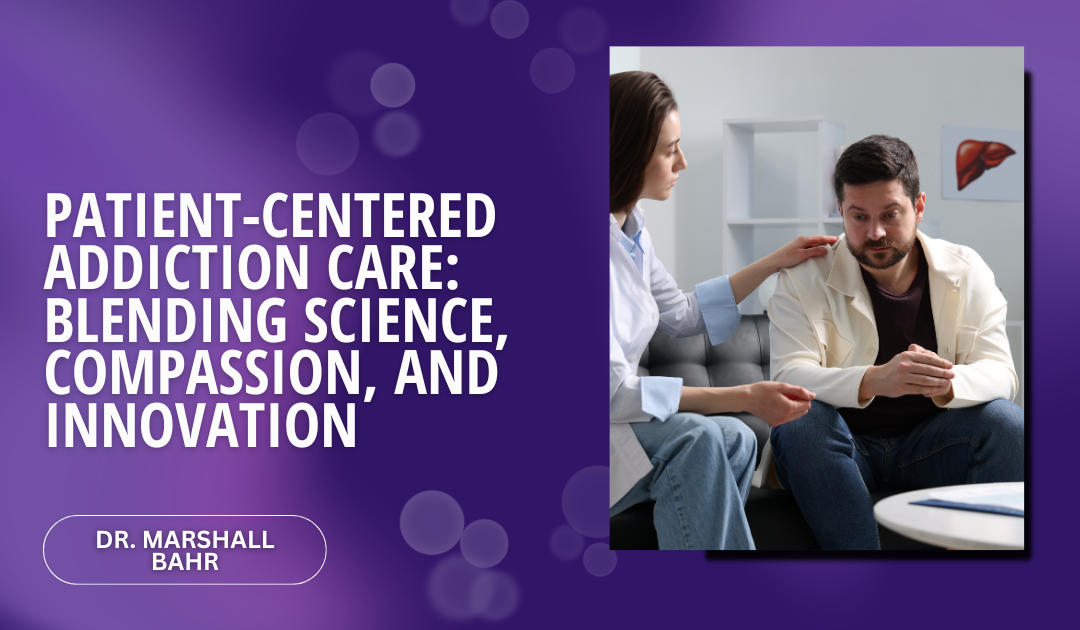
Addiction touches lives in deeply personal ways. No two journeys look the same, and no single path to recovery fits everyone. That’s why patient-centered addiction care is reshaping how support is offered—by placing the individual, not the condition, at the heart of the process. It’s an approach grounded in understanding, strengthened by evidence-informed practices, and elevated by creative solutions that meet people where they are.
At its core, patient-centered care begins with a simple but powerful shift: listening first. Rather than assuming what someone needs, this model prioritizes open dialogue. It asks meaningful questions about goals, values, fears, strengths, and aspirations. Recovery is not treated as a rigid checklist but as a collaborative journey shaped by the person seeking support.
Seeing the Whole Person
Addiction rarely exists in isolation. It intersects with relationships, work, family dynamics, financial pressures, and personal history. A patient-centered approach acknowledges these layers. Instead of focusing narrowly on stopping a behavior, it seeks to understand the broader context of someone’s life.
By seeing the whole person, care teams can tailor support in ways that feel relevant and respectful. For one individual, that might mean flexible scheduling to accommodate work or caregiving responsibilities. For another, it could involve incorporating cultural traditions or community networks into the recovery plan. The goal is not just change—but sustainable, meaningful transformation.
The Role of Science—Without Losing the Human Touch
Blending science with compassion means using proven strategies while never losing sight of humanity. Research has shown that people are more likely to thrive when they feel heard, valued, and involved in decision-making. Evidence-informed approaches provide structure and direction, but they are delivered with empathy and adaptability.
Science offers insight into patterns of behavior, motivation, and change. It informs best practices and highlights what tends to support long-term success. Yet in patient-centered care, these insights are not imposed. They are shared transparently, empowering individuals to make informed choices about their own path forward.
When science and compassion work together, trust grows. And trust is often the foundation upon which lasting recovery is built.
Innovation That Expands Access
Innovation plays a vital role in making addiction care more accessible and inclusive. Technology, for example, has opened doors for people who might otherwise face barriers such as transportation challenges, geographic distance, or scheduling conflicts. Virtual support options, digital check-ins, and online community spaces can extend care beyond traditional settings.
But innovation is not limited to technology. It also includes creative program design, community partnerships, and flexible models of support. Evening and weekend services, peer-led groups, family engagement programs, and mobile outreach initiatives all reflect innovative thinking aimed at reducing obstacles and meeting people where they are.
True innovation is not about novelty for its own sake. It’s about removing friction from the recovery journey and creating systems that adapt to individuals—not the other way around.
Collaboration Over Control
Traditional models of care often placed professionals in positions of authority, directing individuals on what to do and how to do it. Patient-centered care replaces that dynamic with collaboration. The person seeking support becomes an active participant rather than a passive recipient.
This collaborative approach builds ownership. When individuals help shape their own recovery goals, they are more invested in the outcome. Conversations focus on strengths and possibilities rather than shortcomings and blame. Challenges are addressed together, with mutual respect guiding every interaction.
Collaboration also extends beyond the individual. Families, trusted friends, and community members can be included when appropriate, creating a network of encouragement and accountability. Recovery becomes a shared effort rather than a solitary struggle.
Reducing Stigma Through Compassion
Stigma remains one of the greatest barriers to seeking help. Fear of judgment can prevent people from reaching out, even when they are ready for change. A patient-centered approach actively works to dismantle this stigma.
Compassion is more than kindness—it is the deliberate choice to respond without shame or condemnation. Language matters. Tone matters. Environment matters. From the first point of contact, individuals should feel welcomed, not scrutinized.
By normalizing conversations about addiction and recovery, patient-centered care helps shift the narrative from moral failing to human experience. This shift encourages more people to seek support earlier, reducing isolation and fostering hope.
Flexibility for a Nonlinear Journey
Recovery is rarely a straight line. There may be setbacks, pauses, and unexpected detours. Patient-centered care embraces this reality rather than punishing it. Flexibility allows plans to evolve as circumstances change.
Instead of viewing challenges as failures, they are treated as opportunities for learning and adjustment. This mindset reduces fear and promotes resilience. Individuals are reminded that progress is measured not by perfection but by persistence.
Flexibility also recognizes that goals may shift over time. What matters most at the beginning of the journey may look different months or years later. Patient-centered care adapts alongside these evolving priorities.
Empowerment as the Ultimate Goal
Ultimately, the purpose of patient-centered addiction care is empowerment. Support systems are designed not to create dependency but to foster independence, confidence, and self-trust.
Education plays a key role in this process. When individuals understand their options and the reasoning behind different strategies, they gain clarity and control. Skills-building initiatives help strengthen decision-making, communication, and problem-solving abilities—tools that extend far beyond recovery itself.
Empowerment also means celebrating milestones, no matter how small. Each step forward reinforces a sense of capability. Over time, individuals begin to see themselves not as defined by addiction, but as resilient people capable of growth and change.
A Future Rooted in Dignity
Patient-centered addiction care represents a meaningful evolution in how support is delivered. By blending science, compassion, and innovation, it creates an environment where individuals feel respected, understood, and empowered.
The future of recovery lies in dignity. It lies in systems that listen before they speak, adapt before they dictate, and collaborate before they control. When people are treated as partners in their own journey, the path forward becomes not only possible—but profoundly transformative.
Recovery is not simply about stopping a harmful pattern. It is about rebuilding identity, restoring hope, and rediscovering purpose. And when care centers on the person, that transformation becomes sustainable, authentic, and deeply human.