
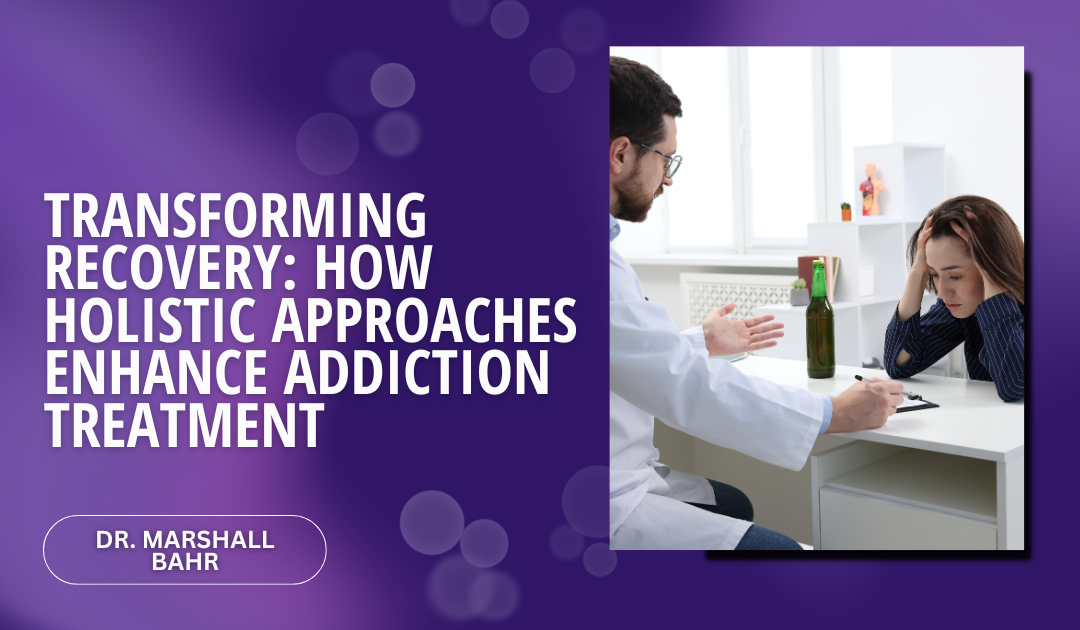
Addiction is a complex condition that affects the body, mind, and spirit. Traditional addiction treatments often focus on the physical aspects of substance use disorder, such as detoxification and medication-assisted therapy. While these are essential components, recovery is rarely successful when approached through a narrow lens. Holistic addiction treatment recognizes that true healing involves addressing the whole person—physically, emotionally, mentally, and spiritually. By integrating holistic approaches into recovery, treatment becomes more personalized, effective, and sustainable.
Understanding Holistic Addiction Treatment
Holistic addiction treatment is based on the principle that the best recovery outcomes come from treating the entire individual, not just the symptoms of addiction. This means combining medical care with therapies that support emotional well-being, mental health, lifestyle changes, and spiritual growth. The goal is to create balance and resilience in all areas of life, which helps prevent relapse and supports long-term sobriety.
Unlike traditional treatment models that may rely primarily on medications or counseling alone, holistic programs offer a range of complementary therapies. These can include mindfulness practices, yoga, acupuncture, nutritional counseling, art therapy, and more. Each therapy addresses different dimensions of a person’s health, making the recovery journey more comprehensive and individualized.
Physical Healing: Beyond Detox
The physical toll of addiction can be devastating, and detoxification is often the first step in treatment. However, detox alone does not heal the body or repair the damage caused by substance abuse. Holistic approaches focus on rebuilding physical health through proper nutrition, exercise, and alternative therapies.
Nutrition plays a vital role in recovery by restoring essential vitamins and minerals depleted during addiction. A balanced diet supports brain function, mood regulation, and energy levels. Exercise programs, such as yoga or tai chi, help reduce stress, improve physical fitness, and release endorphins—natural mood boosters that can reduce cravings.
Acupuncture and massage therapy are also popular holistic methods for easing withdrawal symptoms, reducing anxiety, and promoting relaxation. By supporting physical healing alongside medical interventions, holistic treatment helps patients regain strength and vitality, laying a solid foundation for recovery.
Emotional and Mental Wellness: Addressing Underlying Issues
Addiction often coexists with underlying emotional and mental health challenges such as depression, anxiety, or trauma. Holistic addiction treatment emphasizes identifying and addressing these root causes rather than simply suppressing symptoms. This may involve traditional psychotherapy combined with alternative modalities like art therapy, music therapy, or equine-assisted therapy.
Mindfulness and meditation practices are increasingly integrated into holistic programs to help individuals develop awareness, manage stress, and build emotional resilience. Learning to stay present and regulate emotions without turning to substances is a crucial skill in long-term recovery.
Cognitive-behavioral therapy (CBT) remains a core component but is enriched by holistic techniques that nurture creativity and self-expression. By treating the mind with compassion and a variety of tools, individuals can better understand their addiction triggers and develop healthier coping strategies.
Spiritual Growth and Connection: Finding Meaning in Recovery
For many, addiction disrupts their sense of purpose and connection to something greater than themselves. Holistic recovery often includes spiritual practices tailored to individual beliefs—whether religious or secular—that promote healing and personal growth.
Spirituality in recovery can take many forms: prayer, meditation, time in nature, or participation in support groups that emphasize shared values and mutual support. These practices help individuals find meaning, forgiveness, and hope, which are vital for sustaining motivation and preventing relapse.
By fostering a sense of belonging and inner peace, spiritual approaches can fill the void addiction often leaves behind. This deeper connection helps individuals rebuild their lives with intention and strength.
Lifestyle Changes: Building a Balanced Life
Sustaining recovery requires more than abstinence; it involves creating a new, healthy lifestyle. Holistic treatment programs encourage patients to develop routines that support overall well-being, such as regular sleep patterns, physical activity, social engagement, and stress management.
Life skills training is often incorporated to help individuals navigate relationships, employment, and daily responsibilities without returning to addictive behaviors. Holistic care also emphasizes self-care practices that nurture the mind and body, promoting balance and preventing burnout.
By empowering individuals to take charge of their health and wellness in every aspect, holistic addiction treatment fosters independence and confidence, critical factors in lifelong recovery success.
Evidence and Outcomes: Why Holistic Treatment Works
Emerging research supports the effectiveness of holistic approaches in addiction treatment. Studies show that integrating complementary therapies alongside conventional methods improves patient engagement, reduces relapse rates, and enhances overall quality of life.
Patients often report feeling more supported, hopeful, and equipped to handle challenges when holistic care is part of their recovery plan. The flexibility of these programs allows treatment to be tailored to individual needs, respecting cultural, spiritual, and personal preferences.
Conclusion
Addiction recovery is a journey that requires healing on many levels. Holistic addiction treatment offers a powerful alternative to traditional approaches by addressing the whole person—body, mind, and spirit. Through physical healing, emotional support, spiritual connection, and lifestyle changes, holistic care transforms recovery into a comprehensive process of renewal.
As more treatment centers embrace holistic methods, individuals struggling with addiction have greater access to personalized care that supports lasting sobriety and well-being. Ultimately, holistic addiction treatment is not just about stopping substance use; it’s about restoring lives and empowering people to thrive.